Have you ever felt something was made just for you?

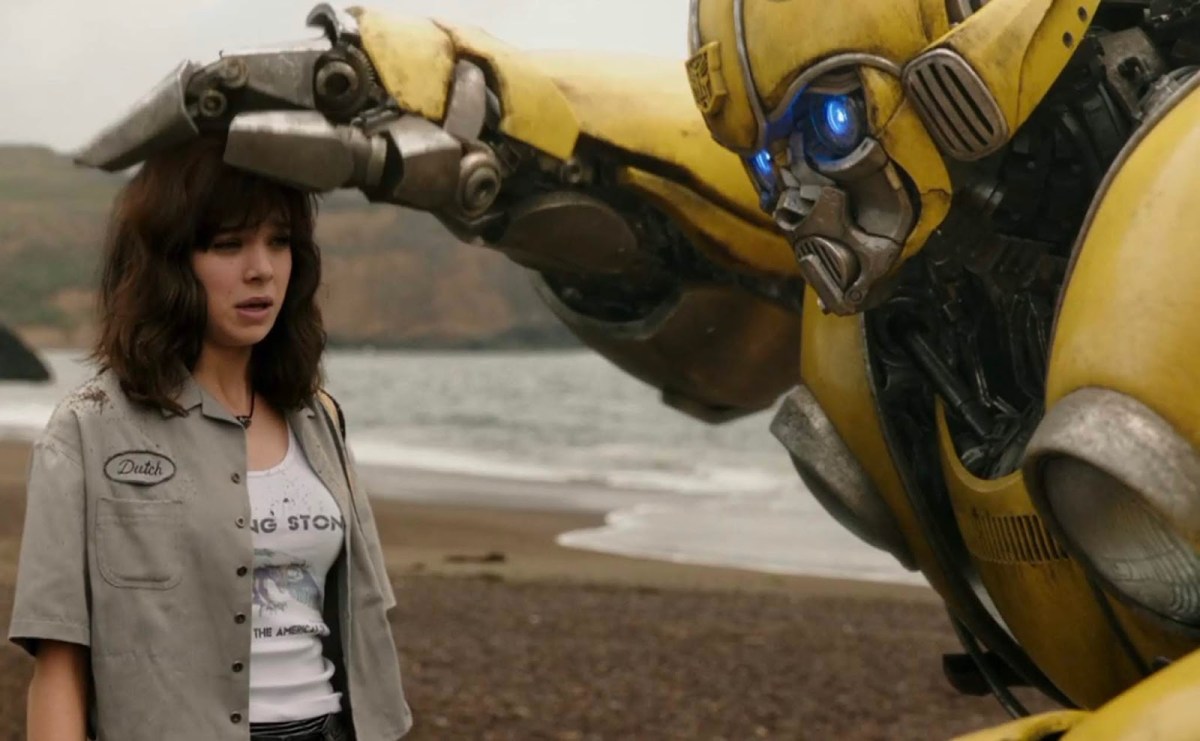
When I saw the Transformers: Rise of the Beasts trailer, I was excited. If you have only seen one or two (or all five) of the Bay movies, you would be forgiven for not sharing in my enthusiasm. On the other hand, if you’ve seen Bumblebee, you should be very hopeful. In my opinion.

This is not a mini-blog to gush about that movie though. I could. The first five minute action sequence shames the first five movies all on its own with its awesomeness. I’m not here to do that though. I’m here to point out a really specific moment.

When the very first Transformers movie was announced, I had a very VERY specific hope:

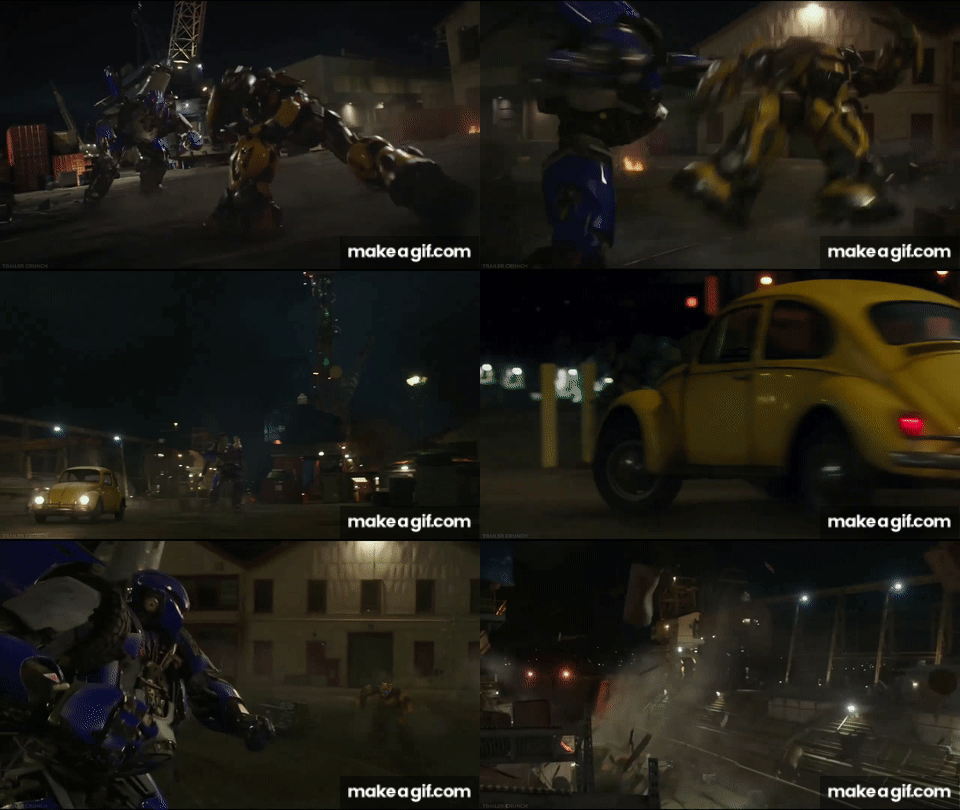
I wanted to see a Transformer perform a handbrake turn into a transforming, flying punch like the intro of the original cartoon. (Like I say, very specific)

Six movies later, it happened:
Beautiful reality

I went back and watched this scene multiple times, with childhood glee. It just has to be deliberate. Someone working on this show was such a massive fan of the cartoon, that they wanted to same thing as I did. I can’t believe for a moment that this choreography is a coincidence.

I also had a very selfish thought: This was clearly made just for me.

That’s how little moments like this feel. A very specific want from a movie, song, game, play… and that need is met. A lot about Bumblebee did this for the child in me.

How about you? Was something made just for you? In part or completely tailored to your demands and desires? Too perfect to be an accident?

As always, thank you for reading.

Please support this blog, if you can x

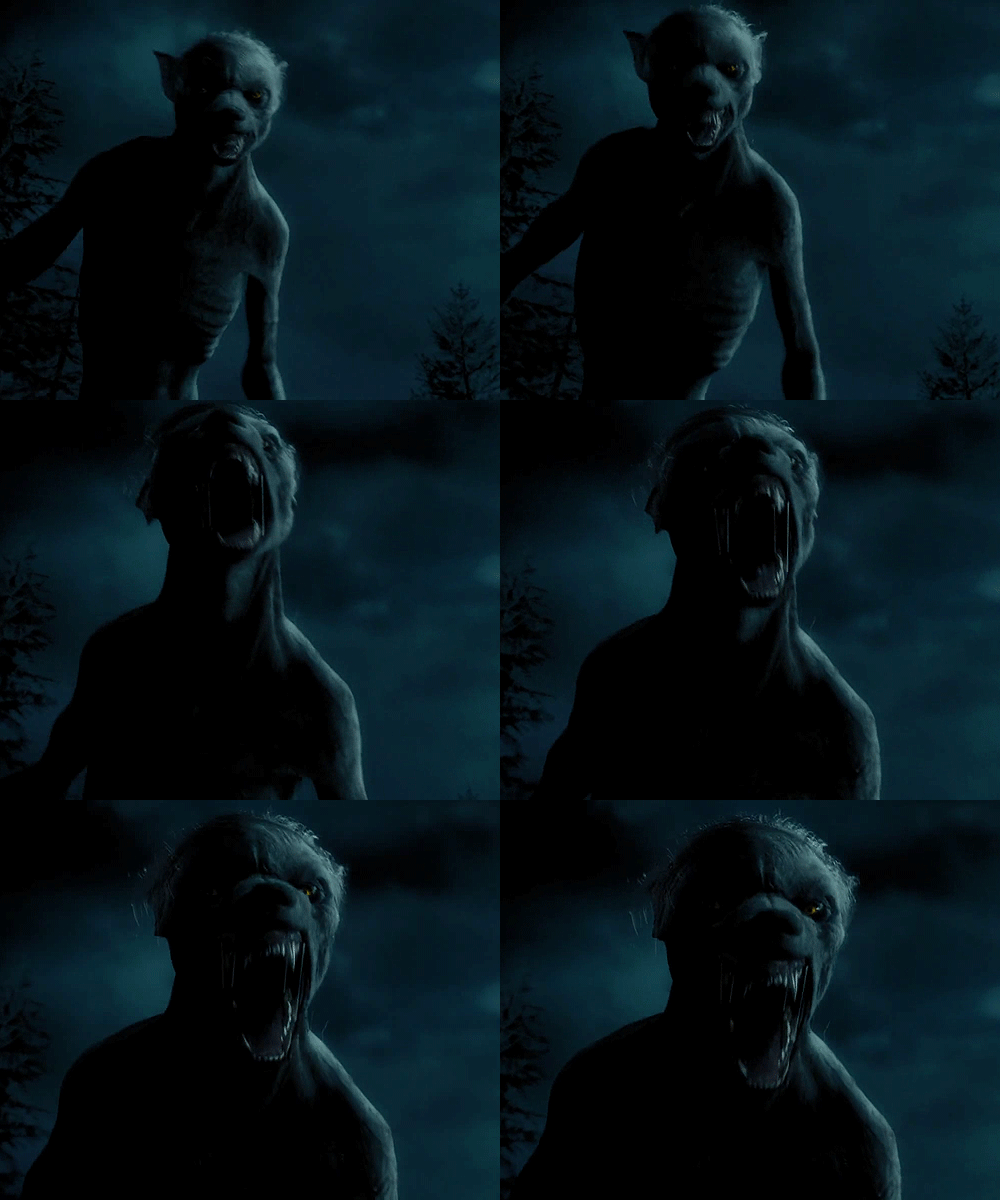
Fantastic Beasts and How to Slay Them: Werewolf

I’m not a fan of the Harry Potter werewolf. It’s far from the hottest of takes, but I’ve always had a particular expectation of what a werewolf should look like. American Werewolf in London, great look for a more wolf-like monster . Underworld, I didn’t like beefy muscle boys. My personal favourite werewolf movie will always be Dog Soldiers, which in my opinion has the best looking version.

Dog Soldiers (practical effects) Vs. Harry Potter (CGI)

The spindly, fleshy, CGI thing in Prisoner of Azkaban barely registered on my good-bad spectrum of werewolves. It’s definitely a monstrous thing, but it just isn’t lycan enough for my liking.

The lore of the Fantastic Beast werewolf does, however, do something I appreciate: it goes for the old-school ‘transforms only on a full moon’ version of the curse. If D&D, the werewolf has to change on a full moon, but they can also turn ‘shapechange’ whenever they feel like it. As curses go, most players would actually quite like to be bitten by a lycanthrope. The extra strengths and abilities quickly stifle the negative aspects of the curse.

So this monster conversion means that I can actually create a ‘true’ werewolf for your D&D game.

Continue reading “Fantastic Beasts and How to Slay Them: Werewolf”

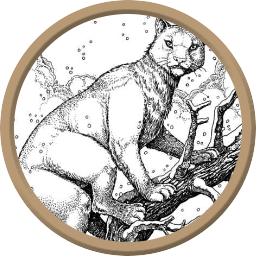
Fantastic Beasts and How to Slay Them: Wampus Cat

Finally, with just four beasts left in the book, I’ve finally hit a monster that has an ability that stumped me. Two words in the description had me scratching my head, trying to figure out how that could possible work on a mechanical level:

“Outruns arrows”

I googled how fast medieval arrows could travel. Opinions were varied, but 150 to 180 feet-per-second was a good average. A creature’s turn is six seconds. That would put the Wampus Cat’s base speed as ‘1080 ft.’. The fastest speed I’m aware of in any D&D monster stat block is 150 feet, and that’s rare. Most characters move at 30 feet around.

A monster that can move over 30 times faster that the average hero is problematic. I think I found a solution that sort-of works…

Continue reading “Fantastic Beasts and How to Slay Them: Wampus Cat”

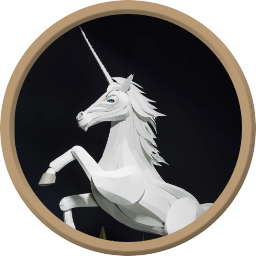
Fantastic Beasts and How to Slay Them: Unicorn

Last week I converted Harry Potter trolls into D&D monsters. They have their merits, but they lack some of the cool abilities of what is already in place. I’ve got to do the same this week. The unicorn in Fantastic Beasts is elusive and mysterious, but the description lacks the plethora of abilities the D&D unicorn is decked out with.

Teleportation, spellcasting, healing abilities… the D&D version is ready for anything. It evens has ‘legendary actions’, a thing usually reserved for creatures 2 or 3 times for powerful.

So this creature I’m about to make is going to have nothing on its D&D counterpart, but I’ve made a commitment to do every Fantastic Beast as accurately as possible, so here we go.

Continue reading “Fantastic Beasts and How to Slay Them: Unicorn”

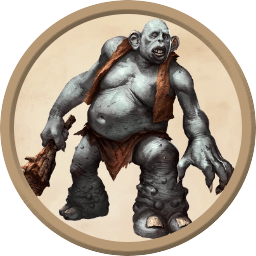
Fantastic Beasts and How to Slay Them: Troll

One downside of converting Harry Potter critters into D&D monsters is that sometimes you have to make a plainer version of something that is already in place. Trolls exist in Dungeons & Dragons, and they have a fun regenerative ability that makes them a dangerous for at lower levels, whilst also providing to fun moments for the uninitiated:

DM: what do you want to do on your turn?
Player: Wuh? The troll is dead. Why are we still in initiative?
DM: …no reason. Troll: [on the ground, about to regenerate] Tee-hee-hee.

At first glance, the Fantastic Beast troll is a much plainer creature. A big slab of dumb meat. It’s not going to be as fun to tinker with this stat block. However, the fact that they have “prodigious strength” means we have something to distinguish this new version.

Continue reading “Fantastic Beasts and How to Slay Them: Troll”

Fantastic Beasts and How to Slay Them: Thunderbird

When I first started creating these stat blocks, I did become concerned that I was seeing a lot of very mundane creatures in a list of supposedly ‘fantastic’ beasts. I just had to remind myself that further down the line, there were some very dangerous monsters, including a bird that could summon storms.

And here we are.

Continue reading “Fantastic Beasts and How to Slay Them: Thunderbird”

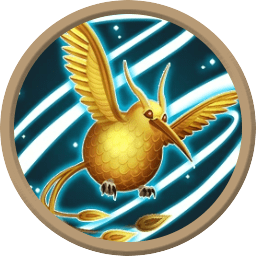
Fantastic Beasts and How to Slay Them: Snidget

Footballs were made from pig bladder. Just consider that for a second. People in the medieval world butchered a pig, put the bladder to one side, and said to themselves “let’s stitch that up and fill it with air, I have a feeling we can have some fun with that later”.

It certainly puts the Snitch into perspective. Wizards had to invent a new enchanted ball because they were killing off too many of the tiny birds they were using in their flying broomstick game. It’s still really weird when you lay it out like that, but it shows you wizards and muggles are just as weird as one another.

Regardless, here’s a tiny Harry Potter-verse bird for your Dungeons & Dragons.

Continue reading “Fantastic Beasts and How to Slay Them: Snidget”

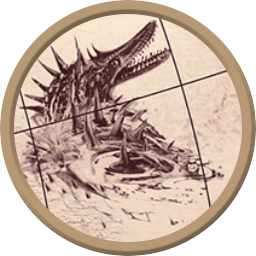
Fantastic Beasts and How to Slay Them: Shrake

The Shrake is a magical creature made entirely out of spite. That’s not exactly what the book says, but it’s 100% accurate. Wizards brought this big fish into being because Muggle fisherman wronged them.

It was not because of some centuries-long, epic feud between wizard and non-wizard. A bunch of Muggle fisherman once made fun of a group of wizards at sea, and the wizards’ reaction was to create an entire species to ruin the livelihood of those fisherman.

…and presumably every fisherman who travelled those same waters.

…not to mention disrupting the economy of any coastal village the fishermen traded with.

…the local ecosystem was probably impacted too. All because a boat-full of wizards couldn’t take a joke.

Continue reading “Fantastic Beasts and How to Slay Them: Shrake”

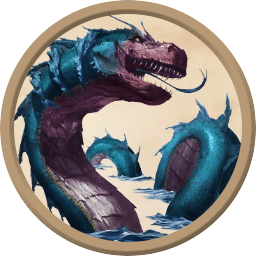
Fantastic Beasts and How to Slay Them: Sea Serpent

Turning a Fantastic Beast into an actual beast in Dungeons & Dragons is something you have to be wary of. This is something I’ve dwelled on in the past. A ‘beast’ in D&D is commonly a ‘real world’ sort of animal, or adjacent to a very normal, vanilla animal. So most Fantastic Beasts don’t fit that category. Some are more ‘fey’-like, some more fiendish, some are ‘monstrosities’. Dragons are, well, ‘dragons’.

The reason you have to be careful is that there are spells, abilities and moves that allow ‘beasts’ to be used by the players. Magical versions can be summoned, weak beasts can be familiars, druids can morph into them.

The sea serpent is one such Fantastic Beast that fits the ‘beast’ category, but is a very big addition, and pretty strong with it. Nevertheless, I kind of like this option being added to the selection. The number of sea beasts in D&D is on the more limited side, and it’s so strong that it actually avoids most opportunities to be used by the adventurers.

Continue reading “Fantastic Beasts and How to Slay Them: Sea Serpent”

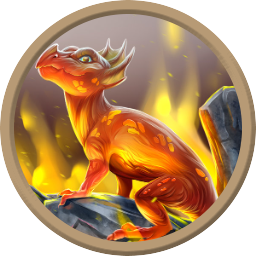
Fantastic Beasts and How to Slay Them: Salamander

Once again, I find myself with a Fantastic Beast that has a monster of the same name in D&D. As I convert these monsters, I usually have to work out how different these creatures are. If they are very similar, I have to focus in on how I can make the new stat block unique enough.

The Fantastic Beast Salamander however, is very different from its counterpart. They are both fire-based creatures, but that is where the likeness falls away.

Continue reading “Fantastic Beasts and How to Slay Them: Salamander”