

Last week it was a lion with goat feet and a crab that eats magic. This week we have a monkey frog. Fantasy monsters are a little basic sometimes. Although the monkey frog has a weird, red wart on its head that lights up, which is definitely unique…
Continue reading “Fantastic Beasts and How to Slay Them: Clabbert”Fantastic Beasts and How to Slay Them: Chizpurfle
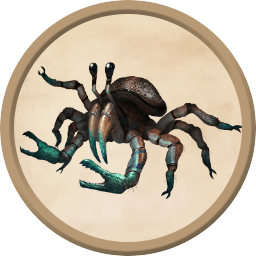
When I first decided I wanted to convert all the Fantastic Beasts into Dungeons & Dragons monsters, I was thinking of all the giant spiders, snakes and cats. But today it’s a tiny crab. And that’s okay too…I guess.
To be fair, the Chizpurfle does have a few little quirks for me to work on. It’s drawn towards magic, gorges itself on magic items and hangs out in large swarms. That’s not so bad.
Continue reading “Fantastic Beasts and How to Slay Them: Chizpurfle”Fantastic Beasts and How to Slay Them: Flobberworm

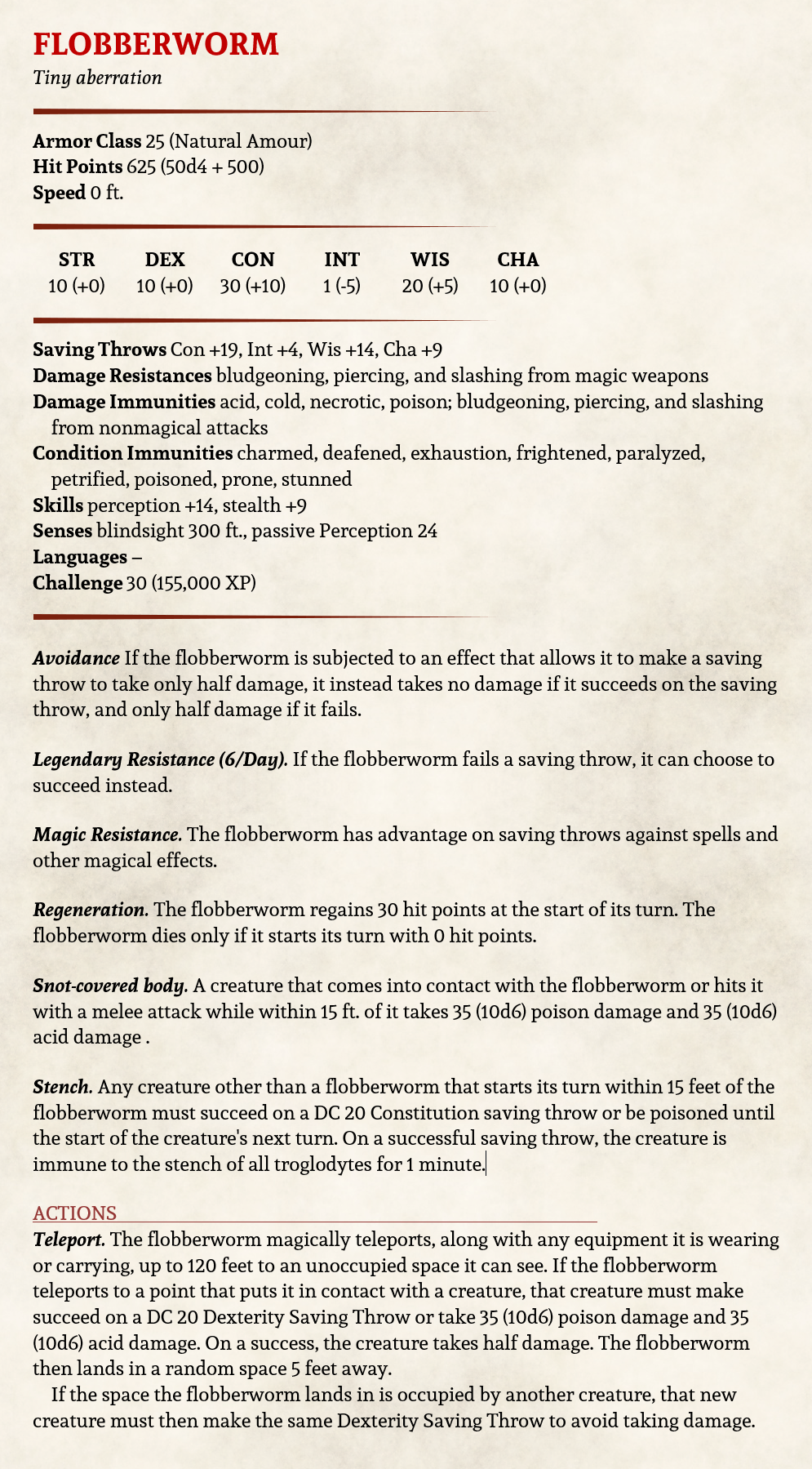
I was worried about this one. This is the most powerful creature in the entire Potterverse. I was not sure I could make the conversion to Dungeons & Dragons monster. After hours of research and careful calculation, I think I have a worthy D&D stat block for the most Fantastic Beast.
The FLOBBERWORM
Thank You For Reading
Happy 1st April. Want some proper Fantastic Beasts for your D&D game? Look here!
Fantastic Beasts and How to Slay Them: Chimaera
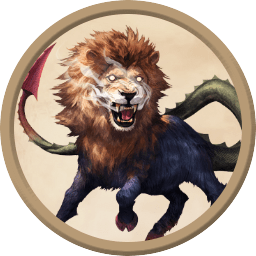
If a fantasy writer created the Chimaera today, you might accuse them of laziness:
“Yeah, so the monster has a lion body and a lion head but it has goat hooves and the tail of a dragon!”
“So you just stuck different animals together? Is that it? And wouldn’t a lion be less dangerous if it doesn’t have claws?”
“Okay…okay, what about a lion with three heads, one is a goat head and one is-“
“Please stop.”
“a dragon head, and it has wings and the tail is actually a snake and…”
And yet, the Chimaera is a staple of fantasy and myth. It such a significant idea, that the word is used as medical and scientific jargon.
Continue reading “Fantastic Beasts and How to Slay Them: Chimaera”This Wound Matters: Video Game Storytelling

We don’t always play the video game in front of us. Control is often wrested from us, and we are obliged to watch closely. Cutscenes and Quick Time Events interrupt the flow, to push the plot forwards or to steer us down a very specific track. When a game shifts into a lower gear, and player agency is restricted, it is hopefully for a very good reason.
One of the particular reasons a game does this is because the protagonist has suffered a severe, sometimes mortal, wound.
Lot’s of games have this moment. a dramatic scene in which the player-character is reduced to a slow, lumbering mess, desperately dragging themselves to safety or performing one last heroic deed. Sometimes, it creates a deliberately heart-wrenching moment. It’s also a very strange moment from a game logic perspective. Having walked off so many terrible, violent attacks, we are told that this wound is the one that could be our downfall.
Continue reading “This Wound Matters: Video Game Storytelling”Fantastic Beasts and How to Slay Them: Centaur

An easy one this week. Centaurs are another beastie that exists in the Potterverse and Dungeons & Dragons. You could definitely create a Potter-fied D&D game and use the standard Centaur monster stats as written.
If you want something more authentic – or maybe a centaur that’s slightly more interesting – well, I’ve got a modified version for you.
Continue reading “Fantastic Beasts and How to Slay Them: Centaur”Fantastic Beasts and How to Slay Them: Bundimun
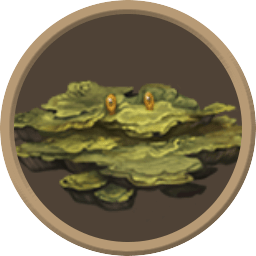
If there’s one type of monster that I’ve barely used in D&D, it’s the ‘Oozes’. Living, wriggling puddles of acidic goop that seep into the walls of dungeons and tombs. The ‘Gelatinous Cube’ is the most infamous of the Ooze-kind. One has a cameo in Disney’s Beyond.
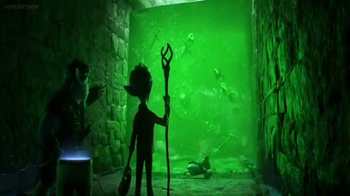
They are some fun applications, but they are never the masterminds (or even side characters) of a evil plan or scheme. They make good fodder for adventure, but I’ve never built a campaign around them. It would be a pretty short campaign.
The Bundimun from Fantastic Beasts is definitely an ooze. Acid texture, amorphous body. It likes to chew through houses and get really problematic when it teams up with its mates.
Continue reading “Fantastic Beasts and How to Slay Them: Bundimun”Fantastic Beasts and How to Slay Them: Bowtruckle

A bonus post for this week. I was planning to convert one Fantastic Beast into a D&D monster every week, but the Bowtruckle was an easy construction. A cute creature that has a great deal of charm in the movies, but its essentially a magical stick insect with slightly sharped claws:
Continue reading “Fantastic Beasts and How to Slay Them: Bowtruckle”Fantastic Beasts and How to Slay Them: Billywig

At first I thought the Billywig was going to take two minutes to turn into a D&D monster. It certainly looks weird – essentially a chubby mosquito with helicopter wings on the top of its head – but I thought it would just be a simple stat block for a tiny insect.
Then I had a proper read of what that sting does:
Continue reading “Fantastic Beasts and How to Slay Them: Billywig”I Miss Dead Space

I’m pretty fickle when it comes to horror. I’ll happily skip most scary movies, but ever now and then I hit on one that I really enjoy, but it won’t convince me to get more into the genre. When it comes to role-playing games, the horror centric stuff is interesting but only in short bursts. My fondness for horror in video games is even more fleeting.
I like scary stories, but I’m just not fussed about spooky games with limited agency. Most horror games put you in a scenario where you feel helpless, which is what enhances the scariness, but they also often strip you of any self defence. You can walk around the map, and when the monster comes you can hide, but you can’t kick or struggle when it gets you. You can take pictures or scoop up documents, but don’t even think about picking up any sharp or heavy to fight the bogeyman off.
Continue reading “I Miss Dead Space” Gamer Peak